


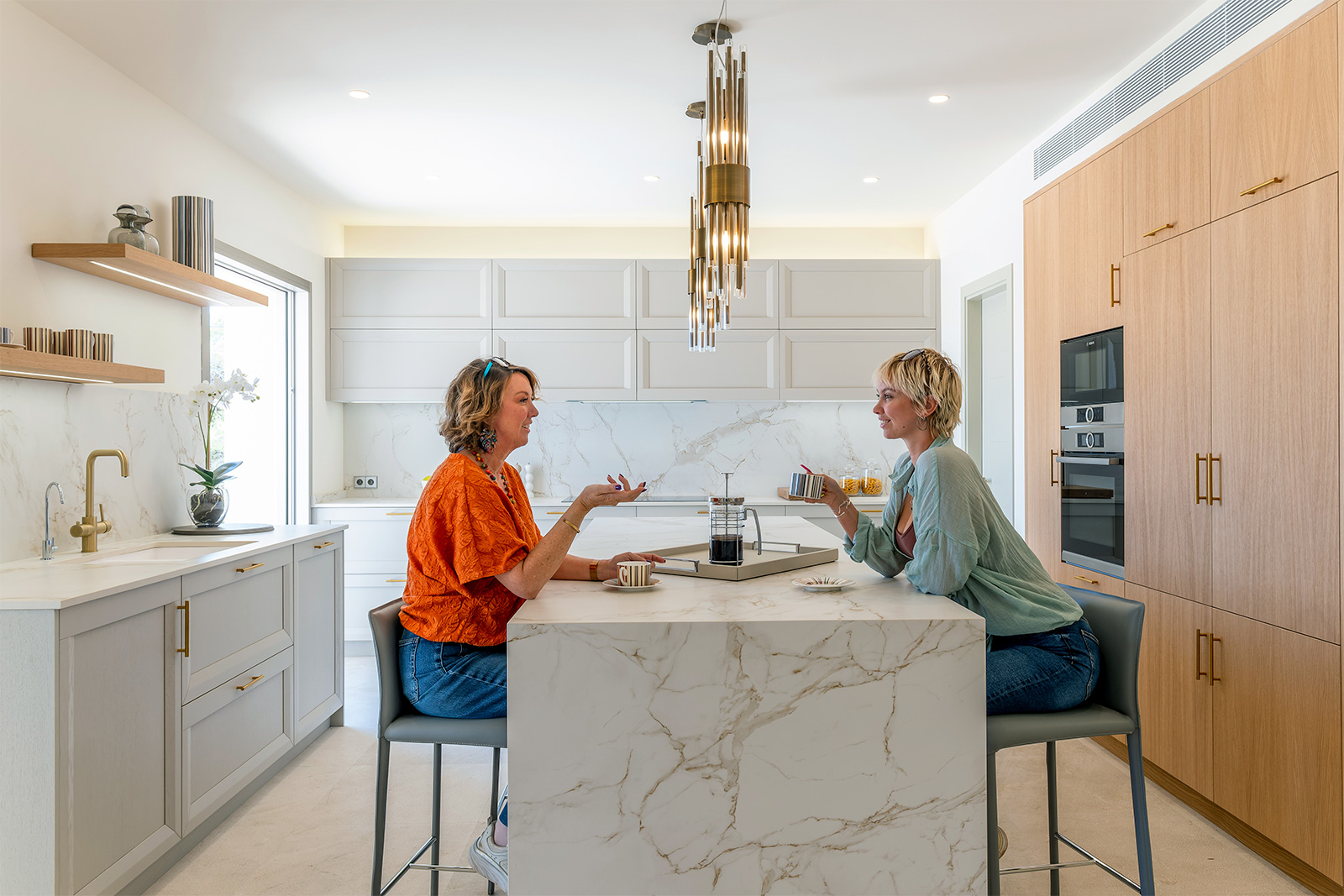
I was asked recently whether my taste has changed over the years as an interior designer, and I had to stop and think about it for a moment.
The honest answer is not in the way people might expect.
I don’t think my taste has necessarily changed. What has changed is how I use it, and more importantly, how much weight I give it when I’m designing for someone else.
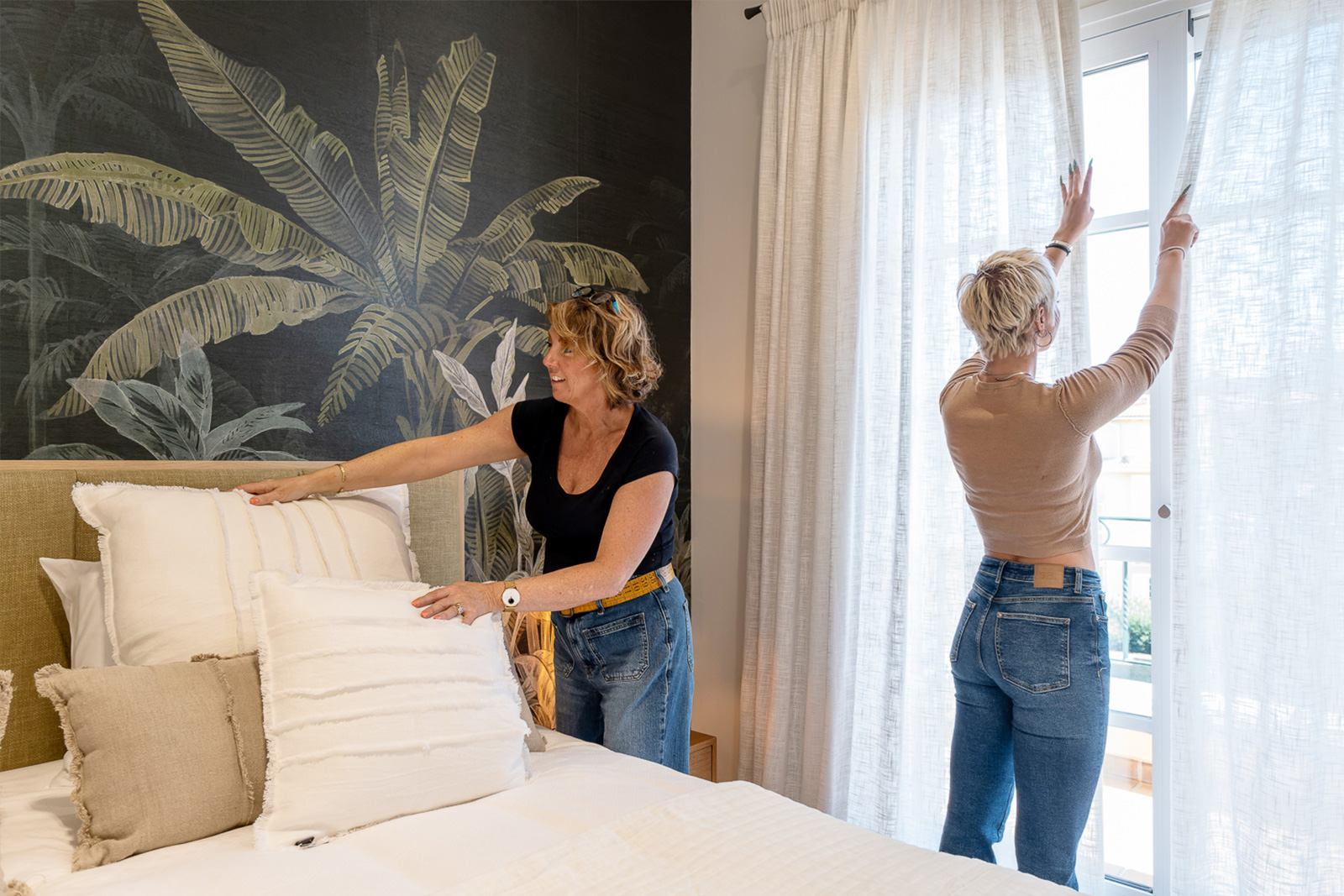
It’s Not About My Style
If you don’t already know, I run two businesses. One is a retail design store, and the other is focused on interior design projects. Between the two, I see both sides of how people approach their homes.
When it comes to my design projects, I’m not designing based on my personal taste. I’m designing based on what I know works, and that comes from experience, from working on properties over many years, seeing how people live, and understanding what actually lasts. Not just visually, but practically, because the reality is, designing a home around someone’s taste alone is not enough.
If you want to understand how design decisions should respond to the property itself, this guide on walls in Mallorca homes explains why the structure and condition of a space should always come first.
What Actually Makes a Home Work
Your starting point for a design should never be, “What do I like?” or even “What does the designer like?”
It should be:
What is this property like?
What does this room need?
How is this space going to be used?
Only once you understand that can you start thinking about style. I’ve seen projects I worked on more than 20 years ago that still work today. I’m happy to say that my clients are still happy. They haven’t changed anything from my original design and that’s not because trends haven’t moved on, it’s because the design was right for the home and the people living in it.
That is always my goal.
This is especially important when designing second homes, where usability and longevity matter more than trends, as discussed in furnishing a home in Mallorca.
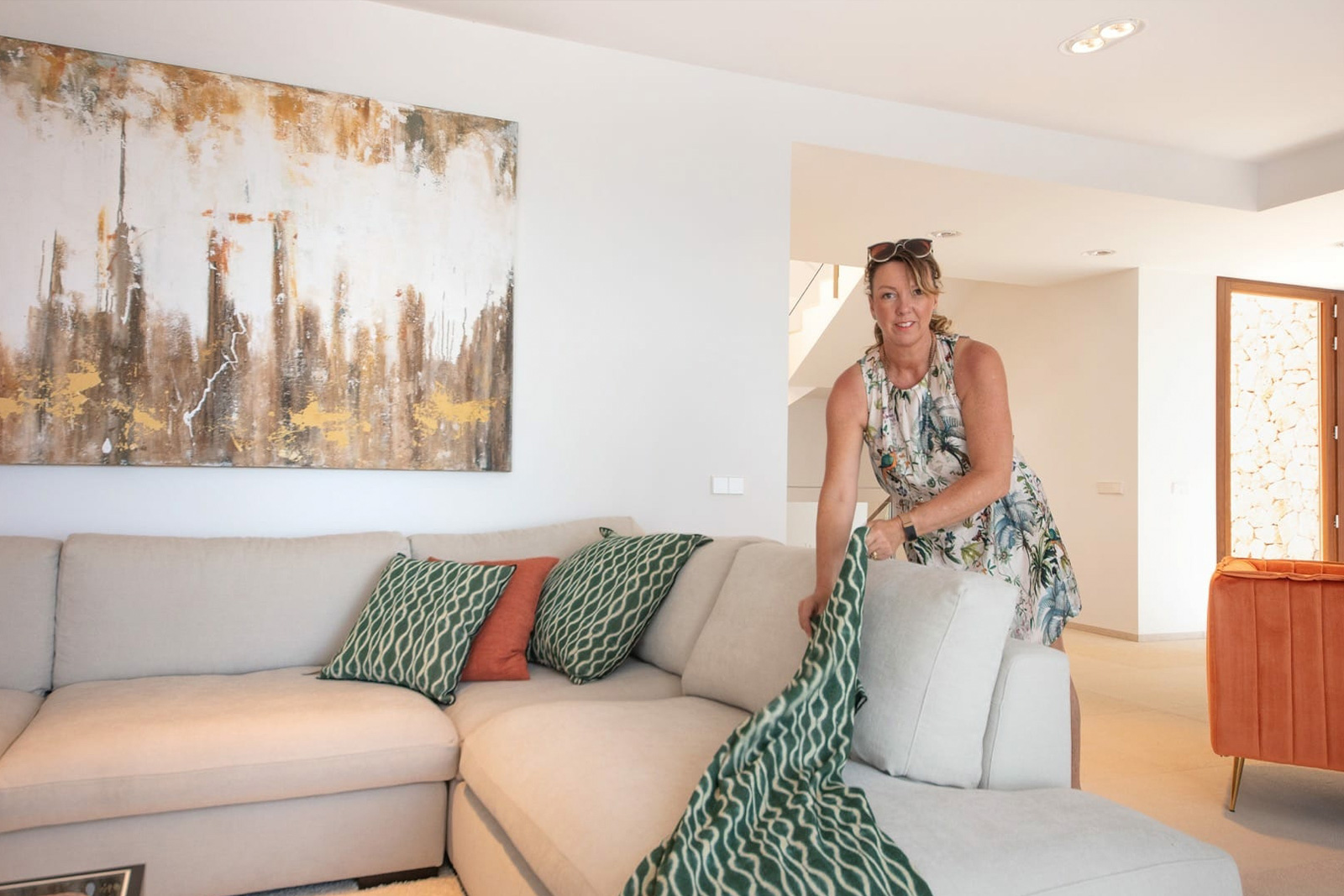
Why I Don’t Believe in “My Style”
If a designer tells you they have a very defined style and that is what they do, I would be cautious because your home should not be a reflection of an interior designer. It should be a reflection of you, your lifestyle, and your space. I see my role as to guide that. To interpret what you like in a way that works in your home, not to impose a look that doesn’t belong there.
When Taste and Property Don’t Match
I once had a client who showed me everything she loved before I had even seen the property.
Her references were bold, glamorous, and very strong. Think “Versace levels” of detail and impact.
Then I walked into the house… It had terracotta floors, wooden beam ceilings and rustic walls. Completely different from my client’s vision.
Now, I could have simply given her exactly what she asked for and filled the house with those pieces and delivered on her brief. But I knew that while she might love the individual items, she would not love how the house felt.
So instead, I had to find a way to balance it. To give a nod to what she loved, without fighting against the property itself. It wasn’t the easiest project, but we got there. She was happy, her husband was happy, and most importantly, the house worked.
If you’re working with strong architectural features, this is something I explore further in interior design in Mallorca, where balance between style and structure is key.
It’s Like Getting Dressed
I often compare interiors to clothing.
You might see something on a catwalk and think it looks incredible. But when you try it on, it doesn’t quite work for you. That doesn’t mean your taste is wrong. It just means the context is different.
Homes are exactly the same.
Putting something ultra modern into a room that doesn’t support it can make the piece look out of place, or worse, make the whole room feel wrong.
Good design is about balance.
Life Changes, So Homes Should Too
The other thing that shifts over time is not just taste, but life.
The way you use your home changes. When I was first married, my needs were different. Then I had children, and everything changed again. Over the years, as my lifestyle evolved, so did my home. Even within the same property. Recently I converted my children’s bedrooms into a single guest suite as they have both left home. I wasn’t going to keep rooms sitting there unused! Now it’s one of my favourite spaces in the house, and it works far better for how my husband Bruce and I live today.
That’s what your home should do. It should adapt with you.
If you’re looking for ideas on creating spaces that evolve with your lifestyle, explore more on designing homes to love and live in.
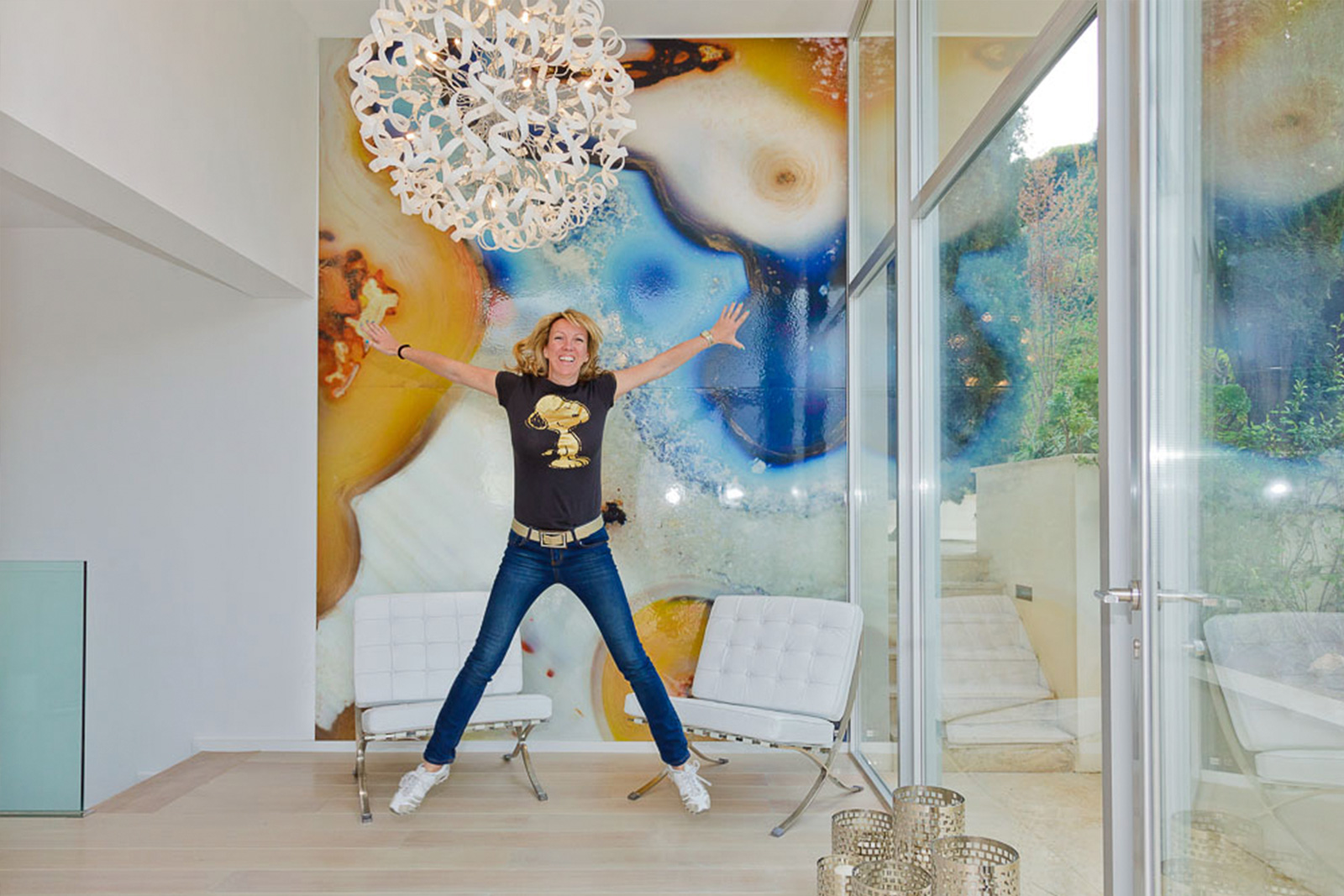
So, Has My Style Changed?
Not dramatically, no. But what has changed is my understanding. It’s not about following trends or about forcing a particular look into a space, and it’s definitely not about designing for myself. It’s about creating something that works, feels right, and continues to work for years to come.
Where I Always Start
If you’re thinking about your own home, my advice is simple. Don’t start with trends. Don’t start with a specific “look.”
Start with your home. Look at the space, how you live in it, and what you actually need from it. Then build from there. Because when you get that right, everything else falls into place.
FAQs: Interior Design in Mallorca
How is interior design in Mallorca different from other countries?
Designing a home in Mallorca is very different from designing in places like the UK or Northern Europe. The climate, the light, and the way people live here all play a role. Homes are used more for outdoor living, entertaining, and relaxation, so materials, layouts, and furniture choices need to work with heat, sunlight, and a more indoor-outdoor lifestyle.
What should I consider when designing a holiday home in Mallorca?
When designing a holiday home in Mallorca, you need to think about how the property will actually be used. Most second homes are lived in more intensively for shorter periods, often with guests. Durability, comfort, and ease of maintenance are key, and the space should feel welcoming straight away.
How is a second home design different from a primary residence?
A second home in Mallorca should feel effortless. You don’t want to arrive and feel like there’s work to do. The design should support that with practical layouts, easy-to-maintain materials, and spaces ready to use immediately. It also needs to work for different people, including family, friends, and guests.
Should I follow Mediterranean interior design trends?
It’s better not to design a home around trends, even Mediterranean ones. Traditional Mallorcan homes have strong architectural identity, and while trends can inspire, the focus should always be on what works for the property and your lifestyle.
What defines Mediterranean living in a home?
Mediterranean living is about how you use the space, not just how it looks. It’s about outdoor areas that feel like an extension of the home, natural materials that age well, and spaces that remain comfortable in the heat.
Can I use modern design in a traditional Mallorca property?
Yes, but it needs to be balanced. Many Mallorca properties have strong architectural features, and modern elements should complement these rather than compete with them.
Why do some Mallorca homes feel dated quickly?
Usually because they were designed without considering the property itself. Following trends or using styles that don’t suit the architecture or climate can make a home feel outdated quickly.
What is the biggest mistake people make when designing a home in Mallorca?
The biggest mistake is starting with style instead of the property. The design should respond to the building, the setting, and how you actually live in the space.
How can I make my Mallorca home feel timeless?
Focus on materials, layout, and function first. Natural materials and thoughtful design choices will last longer than trends and can evolve over time.
Can my home evolve as my lifestyle changes?
Absolutely. A well-designed home should adapt as your needs change, whether that means hosting guests, changing family dynamics, or repurposing spaces over time.